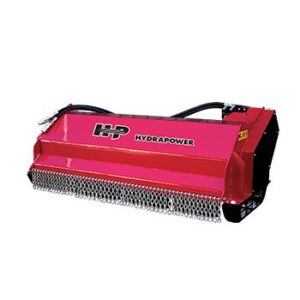
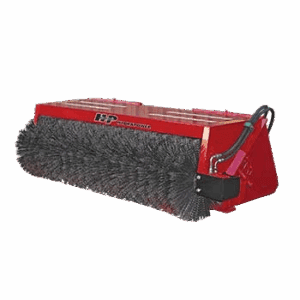
Choose a telehandler attachment by matching the tool to the job, then checking it against your machine specs. The key details are your telehandler make and model, hitch type, rated capacity, hydraulic flow, hydraulic pressure and the conditions on site.
Before selecting an attachment, consider the:
- Task: Identify the primary tasks you need to complete, such as lifting pallets, sweeping hardstand areas or drilling post holes. Different attachments are designed for specific functions.
- Site conditions: Assess the working environment, including ground stability, slopes, mud, debris, access limitations and overhead obstacles. Choosing an attachment suited to these conditions helps maintain productivity and reduces the risk of accidents.
- Machine fitment: Check that the attachment is compatible with your telehandler’s hitch type, coupler system and carriage dimensions. Incorrect fitment can lead to unsafe operation or damage, so always confirm manufacturer specifications before use.
- Rated load capacity: Ensure your telehandler can safely handle the combined weight of the attachment and the load at the required lift height and reach. Exceeding rated capacity can compromise stability and increase the risk of tipping or mechanical failure.
- Hydraulic requirements: Powered attachments require specific hydraulic flow rates, pressure levels and auxiliary connections. Matching these requirements with your machine’s capabilities ensures optimal performance while preventing damage to both the attachment and telehandler.
Ultimately, the best attachment should fit the machine, suit the work and perform safely under real site conditions.
At Hydrapower, we can help you find the ideal solution for your telehandler, task and site. Call our team on 07 3477 9204 to get started.